

Banat is preparing to become a European Region of Gastronomy. At the same time, our everyday choices are increasingly shaped by climate change or, conversely, can have a profound impact on the environment.

The National Peasants' Party was one of Romania's most important political parties, producing a remarkable generation of leading statesmen.
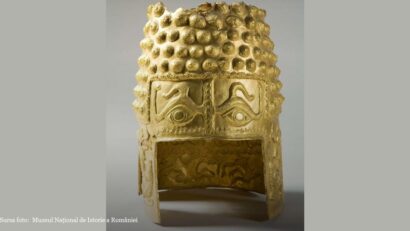
The Coțofenești helmet is one of the most valuable gold artifacts ever discovered on the territory of Romania, belonging to the Thraco-Getic civilization.
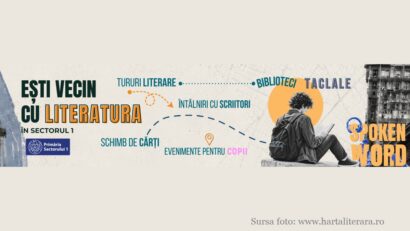
Throughout October, Bucharest is playing host to the project "You're Neighbours with Literature in District 1."

The European Union’s budget for 2028–2034 is taking shape against a backdrop of geopolitical crises, economic pressures and new strategic priorities, all of which are complicating negotiations between member states.
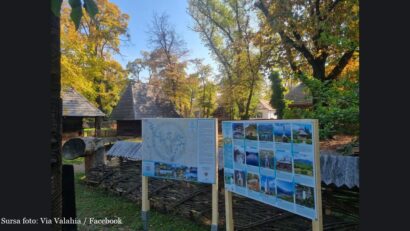
Traveler's Guide takes you on a trip to Via Valahia

A programme run by Save the Children and the Vodafone Foundation has provided digital education to more than 21,000 pupils in Romania.

In early October, the Romanian University Women Association (AFU Romania) hosted the 2026 University Women of Europe (UWE) Conference in Buchar…

A historical perspective on Romania's Muslim community, which today accounts for 2% of the country's population but was once a sizeable one.

After 93 years of existence, the imposing building was razed as part of the brutal urban redevelopment plan for Bucharest decided by Nicolae Ceaușescu following the earthquake of 4 March 1977.

The Animest International Animation Film Festival has recently closed its gates in Bucharest. The 21st edition of the festival comprised ten days of screenings, competitions and events dedicated to animation.
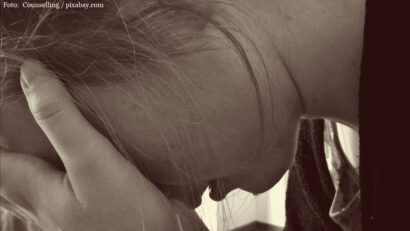
We stay connected almost every moment. We have access to an unprecedented volume of information, while facing pressure to perform, growing uncertainty, time shortages and, all too often, the struggle to maintain a balance between work and personal life.
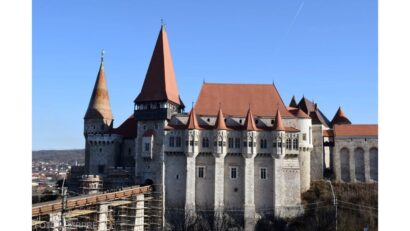
Țara Hațegului or Hațeg Country, is an unusual holiday destination in western Romania.
In April, the Romanian Government adopted a new ordinance regarding the recruitment and placement of foreign workers, following months of negotiations with stakeholders across society.
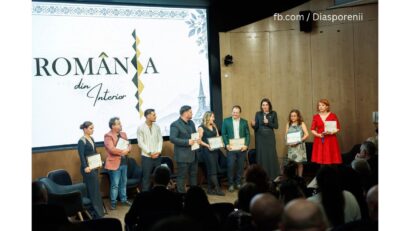
“Left the country, but never Romania”. That is the subtitle of a new documentary exploring what happens to our identity when we pack up and move abroad.

























